Corporate Responsibility
We are committed to the two core principles that have guided us since our founding in 1973: Investing for the Long Run® and Doing Good While Doing Well®.

We are committed to the two core principles that have guided us since our founding in 1973: Investing for the Long Run® and Doing Good While Doing Well®.
By its nature, our work promotes jobs and prosperity. Doing Good While Doing Well means that when we are financing properties for companies, we are also helping the communities those companies serve. It is important to always ask, ‘What is the impact of what we are doing?'
• Implement technology to collect tenant emissions data, identify tenant engagement opportunities and set long-term GHG emissions reduction goals
• Proactively engage with tenants to identify property-level sustainability opportunities within our portfolio, which we believe can reduce emissions, support our tenants’ own sustainability goals and also represent attractive investments
• Evaluate and target new sustainability-linked investment opportunities, with the goal of growing ABR and portfolio prominence from green-certified buildings³
• Prioritize employee engagement, benefits, health and safety, development and opportunity with a focus on retention and recruitment
• Strive to create a diverse and inclusive work environment where everyone is welcome, respected, treated fairly and has the resources and opportunities to advance in their careers
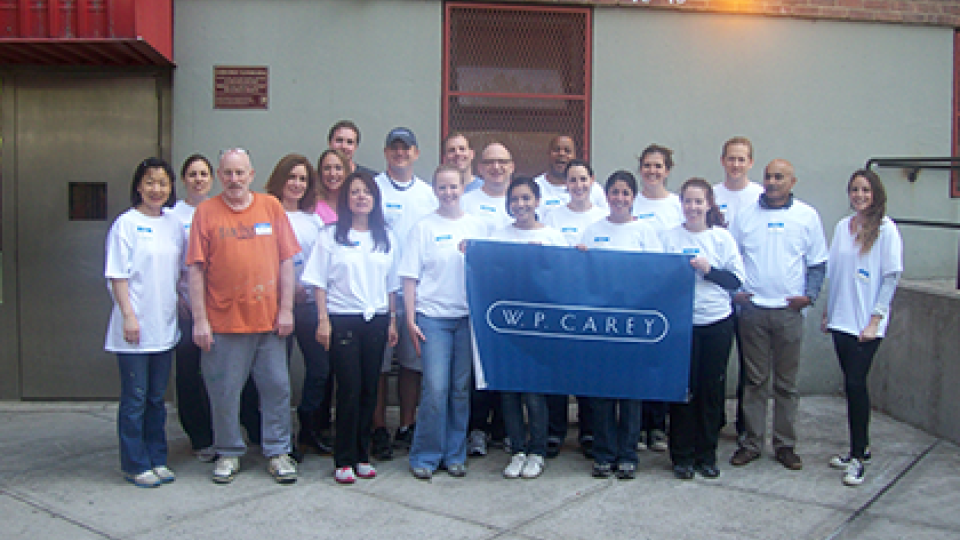
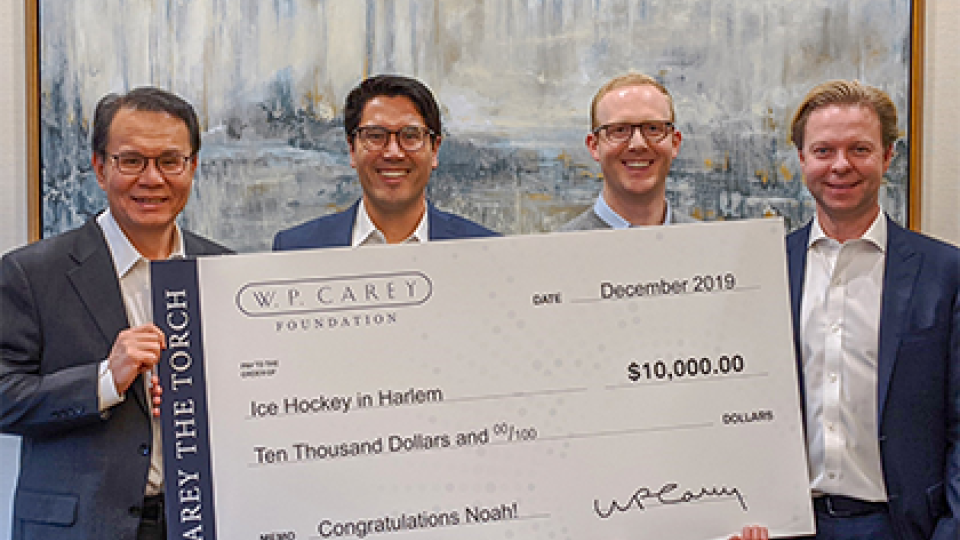
• Engage with our stakeholders and support the communities in which we work and do business, in accordance with our Carey Forward program
• Ensure our governance provisions and policies meet best industry practices
• Maintain a commitment to managing risk through our enterprise risk management program
• Adapt disclosures as frameworks and regulations evolve, under the direction of the Board
• Consider diversity in professional and personal experience when reviewing independent director nominees for our Board
Our ongoing commitment to sustainability initiatives, corporate social responsibility and corporate governance is evident through our significant progress over the years.


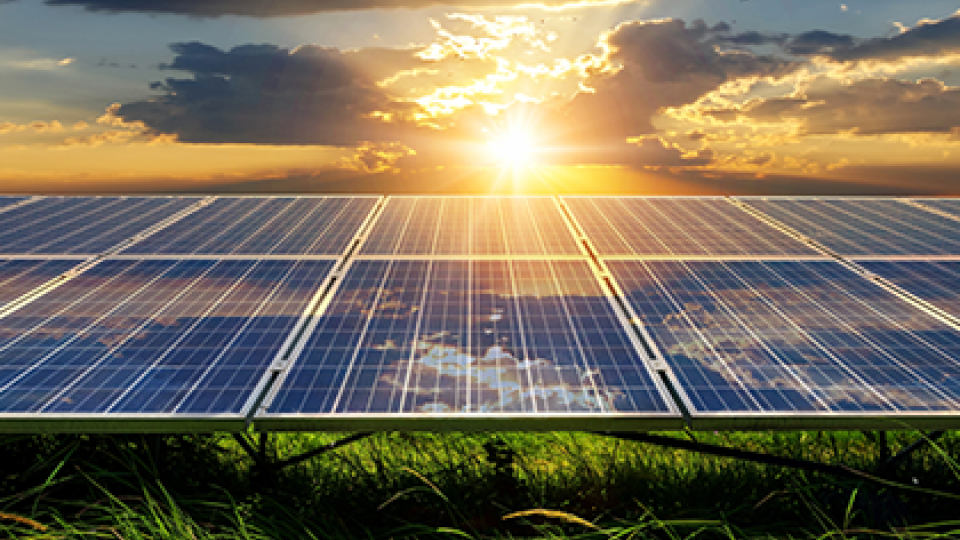





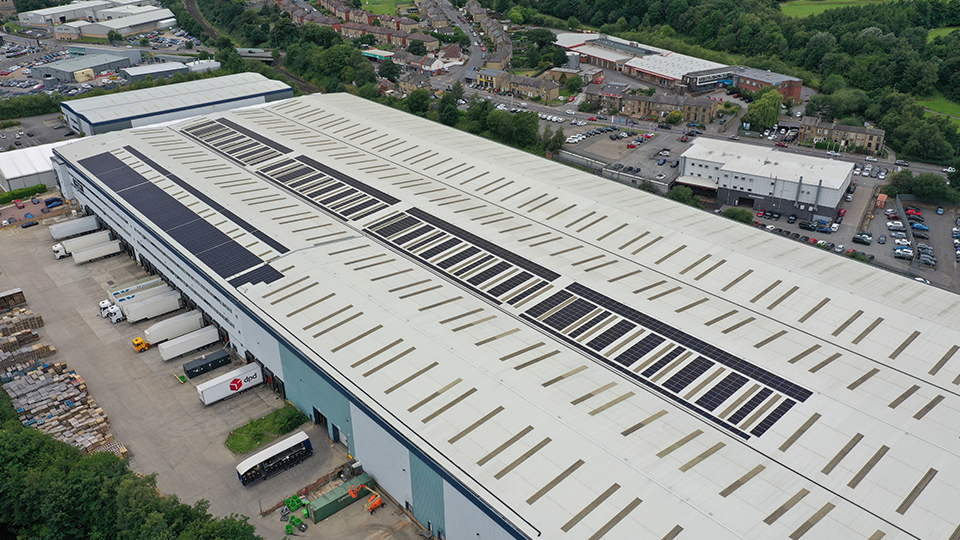
As energy costs rise and decarbonization becomes an increasingly important business priority, many companies are exploring solar—but not every project looks the same. Through CareySolar, part of the energy solutions offering within Carey Tenant Solutions, we provide multiple pathways for solar adoption, helping tenants reduce operating costs and advance their sustainability objectives. Our approach is intentionally flexible, enabling close collaboration with tenants on solar strategies that align with their operational preferences and long-term goals. Tenants can take advantage of this offering through several project types: Landlord-Owned Solar: Turnkey Solutions with No Upfront Tenant Capital For tenants seeking the benefits of on-site renewable energy without the complexity of ownership, W. P. Carey can fund, design, install and maintain the solar system. Our turnkey solutions allow tenants to access on-site solar with no upfront capital investment or operational responsibility. W. P. Carey will sell electricity generated by the system to the tenant, which can significantly reduce tenants’ utility expenses, provide greater energy price stability and support corporate sustainability objectives. For example, in 2024, W. P. Carey entered into a power purchase agreement with an existing tenant, a healthcare products distributor, to fund and manage the installation of a roof-mounted solar system. The system became operational and began generating power in early 2025, offsetting approximately 90% of the building’s total power consumption. As a result, our tenant was able to significantly reduce its carbon footprint and utility costs without deploying upfront capital. Community Solar: Unlocking Value from Tenant Rooftops In addition to traditional solar, we can partner with tenants to develop community solar projects directly on their rooftops, transforming underutilized space into a shared renewable energy resource that generates power for the surrounding community. This energy is usually sold at a discount to both the tenant and local subscribers, reducing utility costs while also improving grid resilience and reliability. Another option is that tenants can receive Renewable Energy Certificates (RECs) from the system to offset their annual power consumption. Rooftop community solar represents another way we deliver creative energy solutions that benefit tenants, communities and our portfolio. We recently entered into an agreement with our tenant, a grill manufacturer, to manage and fund the construction of a 6.1 MW rooftop community solar system at their leased facility. Upon completion, the solar installation is expected to generate enough power for an estimated 580 homes in the surrounding community. Tenant-Owned Solar: Flexibility to Build, Own and Operate W. P. Carey also offers tenants the flexibility to build and own on-site solar systems, giving them full control over their projects. We partner closely with tenants to enable solar development at their leased facilities, allowing them to customize system design, capture available economic incentives and seamlessly integrate solar into their broader energy strategy. We supported our tenant, Sonae MC, on the installation of a 3.1 MW solar roof on their leased facility in Portugal. The solar roof offsets approximately 35% of the building’s annual consumption and thus significantly reduces the facility’s electrical power grid needs, helping Sonae save on energy costs. A Partnership Approach to Energy Solutions Solar is not a one-size-fits-all solution. Carey Tenant Solutions is designed to meet tenants where they are and evolve alongside their needs. By combining capital, real estate expertise and a long-term ownership mindset, we help tenants pursue practical, scalable energy solutions that support their long-term goals.

As the real estate industry evolves, sustainability continues to be recognized as a key consideration shaping investment strategies, tenant expectations and development practices. From carbon-neutral construction to community solar, the sector is embracing innovative solutions that promise both environmental and economic returns. Here are three sustainability trends shaping the real estate industry in 2025. Community Solar: Expanding Access to Renewable Energy One of the most impactful trends is the rise of community solar programs, where a building’s solar installation can extend renewable energy access to businesses and residents who might not be able to install solar themselves due to factors like limited rooftop space, shading, outdated electrical systems or high costs. In the last decade, community solar in the U.S. has grown about 80% annually and is projected to double from 2023 to 2028 to 14 GW (CBRE). This energy is usually sold at a slight discount to local subscribers, creating value in the community. Beyond financial returns, community solar improves grid resilience and reliability while decreasing dependence on fossil fuels. It also gives utility providers a way of locating power generation near their load centers and offtakers. Instead of buying power from a power plant that’s miles away and building transmission lines to the building, community solar locates power generation where people live. W. P. Carey is actively advancing community solar applications in several states. Carbon-Neutral Construction: Building with Purpose The construction phase of a building’s lifecycle presents a critical opportunity to reduce emissions. Investors and developers are increasingly conducting life-cycle carbon assessments and integrating carbon-neutral design standards into new builds and redevelopments. By engaging sustainability consultants early in the process and selecting materials with reduced embodied carbon, firms are minimizing environmental impact while enhancing long-term asset value. Industry wide, the low-carbon building market is projected to grow from about $655 billion in 2024 to nearly $1.6 trillion by 2034 – a compound annual growth rate (CAGR) of 11.8% (Zion Market Research). In 2024, W. P. Carey completed its first carbon-neutral construction project. During the development process, WPC prioritized lower-carbon concrete, locally sourced materials and the reuse of demolition materials on-site. To address the remaining embodied emissions, W. P. Carey procured high-quality, third-party verified carbon credits, following the standards set by the Integrity Council for the Voluntary Carbon Market (ICVCM). For more information, read the case study here. Net Zero Buildings: The Gold Standard Net zero buildings, which generate as much energy as they consume, are becoming the benchmark for sustainable development. These properties leverage energy-efficient technologies, solar energy and smart building systems to achieve operational neutrality. Net zero buildings offer benefits for owners, tenants and the environment, including reduced operating costs, healthier indoor air quality, better temperature control and a reduced carbon footprint. Net zero buildings are inherently more resilient and often command higher asset values. Globally, the net zero building market is projected to grow at a CAGR of nearly 20% annually from 2022 through 2030, driven by corporate climate commitments and tightening building codes (KD Market Insights). Conclusion: A Sustainable Path Forward The momentum behind sustainability in real estate is no longer aspirational – it’s actionable. For commercial real estate owners, the adoption of these sustainable solutions not only enhances asset values and meets evolving tenant demands but also opens new revenue streams and aligns with investor expectations. Real estate investors who embrace these opportunities are positioning themselves at the forefront of a sustainable future, where profitability and planet-positive outcomes go hand in hand. Interested in learning more about W. P. Carey’s commitment to sustainability? Read our most recent Corporate Responsibility Report.

Financing sustainable building upgrades can be a daunting and expensive endeavor for many businesses. The upfront costs associated with sustainable materials, energy-efficient systems and eco-friendly designs often deter companies from pursuing these environmentally beneficial projects, even when they know there are long-term cost savings. Sale-leasebacks offer an effective solution to this challenge. By selling their real estate to an investor and leasing it back, companies can unlock capital which they can invest in sustainability upgrades, improving the quality of their building and often lowering operating costs. Landlords, like W. P. Carey, are also typically supportive of sustainability-focused building upgrades as they increase the overall value of the building. Here are several ways companies can leverage sale-leaseback financing to make their buildings more sustainable. Solar panel installations and green roofs One of the most effective sustainable upgrades for commercial facilities is installing solar panels on a roof or carport. Solar panels provide a clean source of energy and can help companies save on power costs. They also reduce over-reliance on the grid during peak periods when electricity demand is high and clean up the grid, providing a renewable and cost-effective alternative to fossil fuels. Depending on the location, companies may also be able to receive Renewable Energy Credits (RECs) or Guarantees of Origin (GOs). Another sustainable upgrade that can provide both environmental and economic benefits is a green roof, also known as vegetated or living roof. These are roof systems covered with waterproofing membrane, soil and vegetation. Green roofs can significantly improve stormwater management, reduce urban heat island effect, boost biodiversity by providing a habitat for plants and animals, and improve building energy efficiency. Both solar panels and green roofs are a great way to make a building more sustainable and help reduce energy costs for the tenant, but they require significant investment. By utilizing sale-leaseback financing, companies can easily unlock the capital they need to invest in these improvements. Sustainable construction For companies who are looking for a brand-new building and want to prioritize sustainability, a build-to-suit, which uses the sale-leaseback structure, is a great solution. Through a build-to-suit, a company can secure a custom-built, sustainable facility without the upfront capital investment. An investor funds and manages the construction of the new facility to meet the specifications of the future tenant, and upon completion, the company enters into a long-term lease. During the build-to-suit planning, companies can specify that they want to utilize sustainable construction, which means using recyclable and renewable materials during the building process as well as minimizing energy consumption and waste production. In addition, the building can be designed to minimize its carbon footprint by incorporating elements and materials that have a continuous positive influence on the environment. These features can include electric-vehicle charging stations, drought-resistant landscaping, heat pumps, appropriate insulation to prevent heat loss and greywater recycling. Energy-efficiency upgrades Implementing sustainable features to improve energy efficiency significantly impacts a property's life-cycle emissions. These upgrades are often relatively easy to implement but can be costly to install. By unlocking capital through a sale-leaseback, companies can extract the cash they need to invest in these improvements, making their building more sustainable and saving on energy costs in the long run. One example of an energy-efficiency upgrade is installing Internet of Things (IoT) technology, including smart meters, which help companies manage building efficiency on a daily basis. IoT sensors can gather information on energy consumption, temperature, air quality and occupancy levels, enabling tenants to best optimize the efficiency of their buildings. Companies can also leverage the capital from a sale-leaseback for building systems upgrades. Upgrading an outdated heating, ventilation and air conditioning (HVAC) system can help decrease utility consumption and create maintenance cost savings for the tenant. W. P. Carey can help While the financial burden of sustainable building upgrades can be substantial, sale-leasebacks provide a viable and strategic solution. Embracing this approach allows companies to align their environmental goals with their economic objectives, paving the way for a greener and more prosperous future. W. P. Carey is one of the largest net lease real estate investors and has significant experience working with companies on sale-leasebacks and sustainability solutions. If you’re interested in learning more, contact us today!