Corporate Responsibility
We are committed to the two core principles that have guided us since our founding in 1973: Investing for the Long Run® and Doing Good While Doing Well®.

We are committed to the two core principles that have guided us since our founding in 1973: Investing for the Long Run® and Doing Good While Doing Well®.
By its nature, our work promotes jobs and prosperity. Doing Good While Doing Well means that when we are financing properties for companies, we are also helping the communities those companies serve. It is important to always ask, ‘What is the impact of what we are doing?'
Our ongoing commitment to sustainability initiatives, corporate social responsibility and corporate governance is evident through our significant progress over the years.


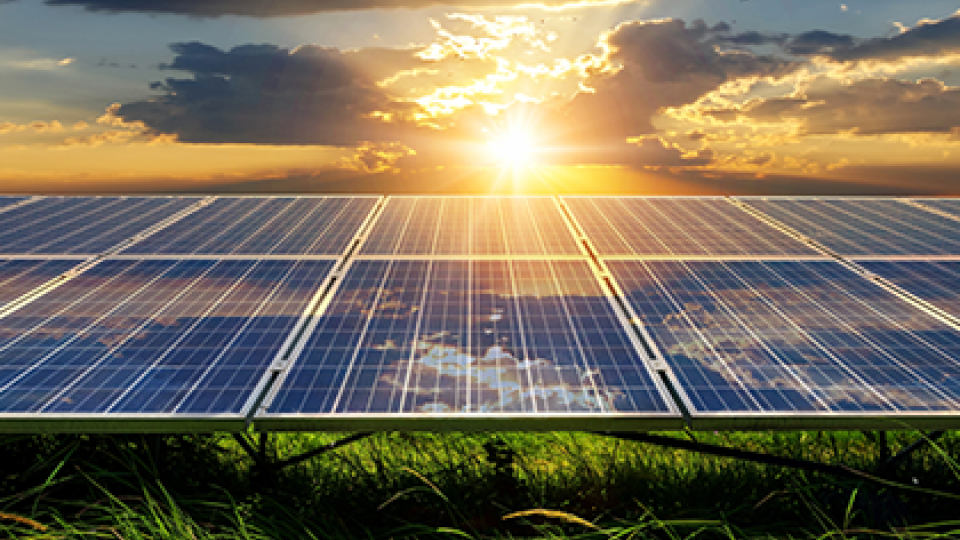








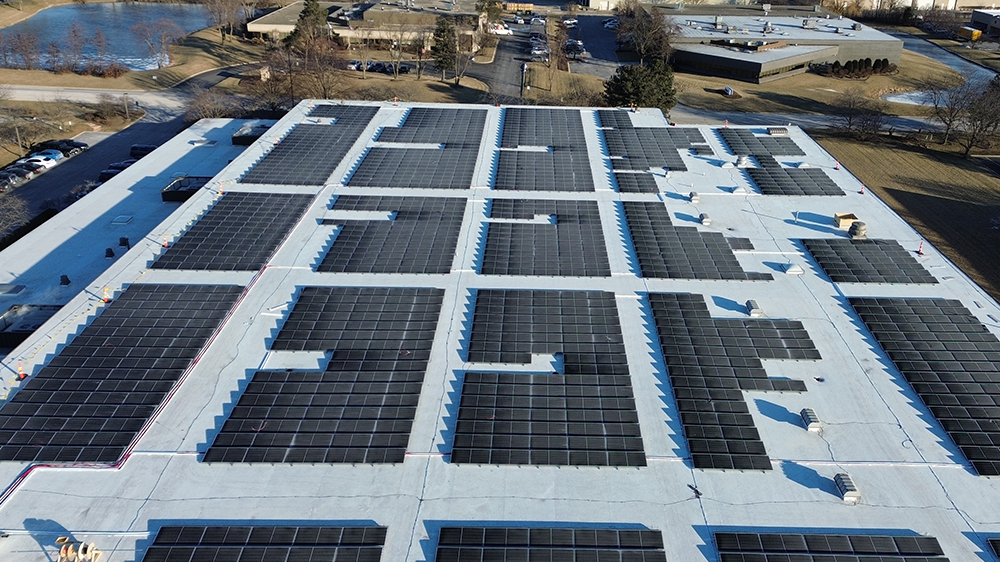
As companies navigate a rapidly changing business environment, sustainability is increasingly shaping real estate decisions. Many organizations are looking for ways to reduce energy consumption, lower emissions, strengthen resilience and modernize facilities without diverting capital from business growth. Yet sustainability initiatives often compete with other strategic priorities. Companies may see opportunities to improve efficiency or invest in renewable energy but hesitate to commit resources that could otherwise support growth or core operations. We believe making real estate more sustainable is an ongoing process that requires collaboration, flexibility and a long-term approach. Carey Tenant Solutions formalizes that commitment by helping our tenants address evolving real estate needs even after an acquisition or sale-leaseback transaction is complete. For tenants, that support can take many forms, from identifying operational improvements to funding projects that help facilities perform better over time. A long-term ownership mindset W. P. Carey’s long-term ownership approach means we view each transaction as the beginning of a partnership. Through regular dialogue, property visits and ongoing asset management, we develop a deep understanding of tenants’ operations and priorities, helping identify opportunities to improve facility performance and advance sustainability goals. This long-term approach allows us to continue supporting tenants as their businesses evolve. In 2017, W. P. Carey provided build-to-suit financing for an industrial facility in Poland leased to Ontex, a leading global supplier of personal hygiene products. Several years later, we partnered with Ontex again to fund a 460,000-square-foot expansion, enabling the company to consolidate production operations from multiple European locations into one modern facility. The expanded portion of the facility received a BREEAM "Very Good" environmental certification, demonstrating how Carey Tenant Solutions and a long-term partnership approach can support both business growth and sustainability objectives. Energy solutions built around tenant needs No two tenants have identical sustainability goals. As a result, flexibility is essential. Through Carey Tenant Solutions, W. P. Carey helps tenants evaluate and implement projects tailored to their operations and objectives. These initiatives can include energy efficiency retrofits, smart building technologies, electric vehicle charging infrastructure and other sustainability-focused improvements. Through our CareySolar® program, W. P. Carey partners with tenants on a variety of solar solutions designed to help our tenants lower utility costs and reduce greenhouse gas emissions. One example is our work with an industrial tenant in Illinois, where we managed the installation of a 1,350-kW rooftop solar array as part of a lease extension. The project was designed to provide the tenant with access to clean energy while lowering carbon emissions and energy costs at one of its most important facilities. These investments can create benefits beyond sustainability. Energy-efficient facilities may help lower operating expenses, improve tenant experience and support long-term building performance. Looking ahead As Climate Week brings together business leaders, policymakers and sustainability professionals to discuss the future of the built environment, one theme remains clear: meaningful progress requires partnership. Real estate owners and occupiers can achieve more when they work together. Through Carey Tenant Solutions, we're helping tenants expand and modernize facilities, improve energy performance and advance sustainability initiatives, while allowing them to preserve capital for the investments that drive their businesses forward.

As energy costs rise and decarbonization becomes an increasingly important business priority, many companies are exploring solar—but not every project looks the same. Through CareySolar, part of the energy solutions offering within Carey Tenant Solutions, we provide multiple pathways for solar adoption, helping tenants reduce operating costs and advance their sustainability objectives. Our approach is intentionally flexible, enabling close collaboration with tenants on solar strategies that align with their operational preferences and long-term goals. Tenants can take advantage of this offering through several project types: Landlord-Owned Solar: Turnkey Solutions with No Upfront Tenant Capital For tenants seeking the benefits of on-site renewable energy without the complexity of ownership, W. P. Carey can fund, design, install and maintain the solar system. Our turnkey solutions allow tenants to access on-site solar with no upfront capital investment or operational responsibility. W. P. Carey will sell electricity generated by the system to the tenant, which can significantly reduce tenants’ utility expenses, provide greater energy price stability and support corporate sustainability objectives. For example, in 2024, W. P. Carey entered into a power purchase agreement with an existing tenant, a healthcare products distributor, to fund and manage the installation of a roof-mounted solar system. The system became operational and began generating power in early 2025, offsetting approximately 90% of the building’s total power consumption. As a result, our tenant was able to significantly reduce its carbon footprint and utility costs without deploying upfront capital. Community Solar: Unlocking Value from Tenant Rooftops In addition to traditional solar, we can partner with tenants to develop community solar projects directly on their rooftops, transforming underutilized space into a shared renewable energy resource that generates power for the surrounding community. This energy is usually sold at a discount to both the tenant and local subscribers, reducing utility costs while also improving grid resilience and reliability. Another option is that tenants can receive Renewable Energy Certificates (RECs) from the system to offset their annual power consumption. Rooftop community solar represents another way we deliver creative energy solutions that benefit tenants, communities and our portfolio. We recently entered into an agreement with our tenant, a grill manufacturer, to manage and fund the construction of a 6.1 MW rooftop community solar system at their leased facility. Upon completion, the solar installation is expected to generate enough power for an estimated 580 homes in the surrounding community. Tenant-Owned Solar: Flexibility to Build, Own and Operate W. P. Carey also offers tenants the flexibility to build and own on-site solar systems, giving them full control over their projects. We partner closely with tenants to enable solar development at their leased facilities, allowing them to customize system design, capture available economic incentives and seamlessly integrate solar into their broader energy strategy. We supported our tenant, Sonae MC, on the installation of a 3.1 MW solar roof on their leased facility in Portugal. The solar roof offsets approximately 35% of the building’s annual consumption and thus significantly reduces the facility’s electrical power grid needs, helping Sonae save on energy costs. A Partnership Approach to Energy Solutions Solar is not a one-size-fits-all solution. Carey Tenant Solutions is designed to meet tenants where they are and evolve alongside their needs. By combining capital, real estate expertise and a long-term ownership mindset, we help tenants pursue practical, scalable energy solutions that support their long-term goals.

As the real estate industry evolves, sustainability continues to be recognized as a key consideration shaping investment strategies, tenant expectations and development practices. From carbon-neutral construction to community solar, the sector is embracing innovative solutions that promise both environmental and economic returns. Here are three sustainability trends shaping the real estate industry in 2025. Community Solar: Expanding Access to Renewable Energy One of the most impactful trends is the rise of community solar programs, where a building’s solar installation can extend renewable energy access to businesses and residents who might not be able to install solar themselves due to factors like limited rooftop space, shading, outdated electrical systems or high costs. In the last decade, community solar in the U.S. has grown about 80% annually and is projected to double from 2023 to 2028 to 14 GW (CBRE). This energy is usually sold at a slight discount to local subscribers, creating value in the community. Beyond financial returns, community solar improves grid resilience and reliability while decreasing dependence on fossil fuels. It also gives utility providers a way of locating power generation near their load centers and offtakers. Instead of buying power from a power plant that’s miles away and building transmission lines to the building, community solar locates power generation where people live. W. P. Carey is actively advancing community solar applications in several states. Carbon-Neutral Construction: Building with Purpose The construction phase of a building’s lifecycle presents a critical opportunity to reduce emissions. Investors and developers are increasingly conducting life-cycle carbon assessments and integrating carbon-neutral design standards into new builds and redevelopments. By engaging sustainability consultants early in the process and selecting materials with reduced embodied carbon, firms are minimizing environmental impact while enhancing long-term asset value. Industry wide, the low-carbon building market is projected to grow from about $655 billion in 2024 to nearly $1.6 trillion by 2034 – a compound annual growth rate (CAGR) of 11.8% (Zion Market Research). In 2024, W. P. Carey completed its first carbon-neutral construction project. During the development process, WPC prioritized lower-carbon concrete, locally sourced materials and the reuse of demolition materials on-site. To address the remaining embodied emissions, W. P. Carey procured high-quality, third-party verified carbon credits, following the standards set by the Integrity Council for the Voluntary Carbon Market (ICVCM). For more information, read the case study here. Net Zero Buildings: The Gold Standard Net zero buildings, which generate as much energy as they consume, are becoming the benchmark for sustainable development. These properties leverage energy-efficient technologies, solar energy and smart building systems to achieve operational neutrality. Net zero buildings offer benefits for owners, tenants and the environment, including reduced operating costs, healthier indoor air quality, better temperature control and a reduced carbon footprint. Net zero buildings are inherently more resilient and often command higher asset values. Globally, the net zero building market is projected to grow at a CAGR of nearly 20% annually from 2022 through 2030, driven by corporate climate commitments and tightening building codes (KD Market Insights). Conclusion: A Sustainable Path Forward The momentum behind sustainability in real estate is no longer aspirational – it’s actionable. For commercial real estate owners, the adoption of these sustainable solutions not only enhances asset values and meets evolving tenant demands but also opens new revenue streams and aligns with investor expectations. Real estate investors who embrace these opportunities are positioning themselves at the forefront of a sustainable future, where profitability and planet-positive outcomes go hand in hand. Interested in learning more about W. P. Carey’s commitment to sustainability? Read our most recent Corporate Responsibility Report.